
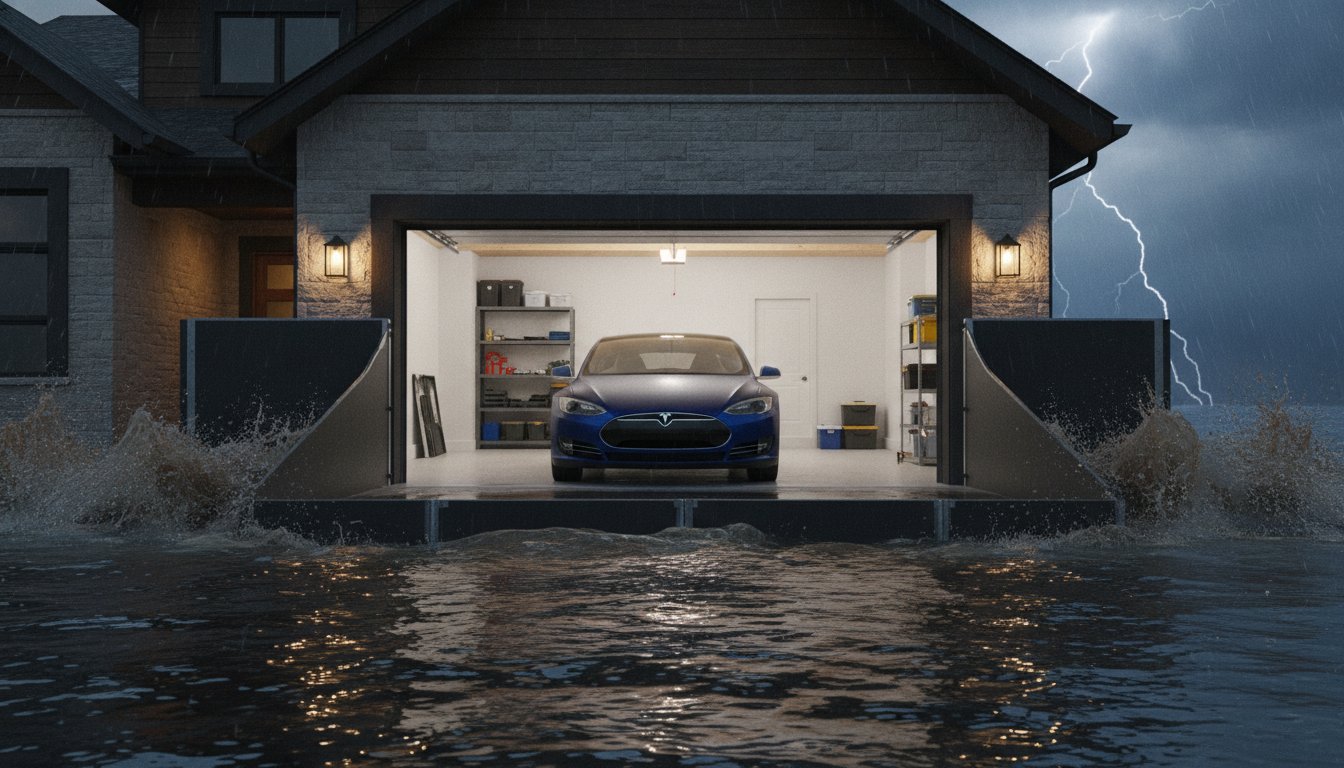
Did you know that improper installation is a factor in up to 50% of all flood damage cases? It's a sobering reality for homeowners who realize too late that their defense wasn't up to the task. Your garage is more than just a storage space. It houses your vehicles, your equipment, and your peace of mind. Yet, it remains the most vulnerable breach point in your home. Selecting the right garage flood protection barriers is the difference between a dry floor and a total loss.
We understand the anxiety of watching water rise while you fumble with inadequate DIY solutions. It's time to stop reacting and start fortifying. This guide helps you master the selection and deployment of professional-grade systems. We'll show you how to transform your entry point into an impenetrable fortress. We'll explore the engineering of diversion systems and the specific barrier types designed for maximum resilience. You'll gain a clear path to a dry, secure space regardless of the storm's intensity. Let's move from a state of concern to a state of total readiness.
Key Takeaways
- Recognize why standard garage doors fail and how to identify your home's most vulnerable breach point before the storm hits.
- Differentiate between simple obstruction and advanced diversion strategies to select the right garage flood protection barriers for your specific risk level.
- Follow a professional deployment checklist to ensure a watertight seal and proper frame overlap during rapid-onset flash flood events.
- Implement long-term maintenance routines to prevent material degradation and preserve the structural integrity of your defensive equipment.
- Understand the engineering requirements that separate professional, fortress-grade systems from unreliable off-the-shelf retail products.
The Vulnerable Threshold — Why Garages are Flood Magnets
The garage is the soft underbelly of residential architecture. It's often the lowest entry point of the entire structure. This positioning makes it a natural magnet for rising water. Most homeowners assume their standard garage door is a solid line of defense. It isn't. These doors are engineered for security and weather resistance. They aren't built to hold back the weight of a flash flood.
Hydrostatic pressure is the invisible enemy. Water is incredibly heavy. A few inches of rising water can exert thousands of pounds of force against your door. Standard aluminum or steel panels aren't built for this load. They buckle. Tracks warp. Once the structural integrity is compromised, the flood finds a path inside. This is why professional garage flood protection barriers are essential for any home in a high-risk zone. You aren't just blocking a puddle. You're resisting a massive physical force.
The stakes go beyond a wet floor. Your garage likely houses your vehicles, expensive tools, and perhaps your home’s electrical panel or HVAC system. A single breach can result in tens of thousands of dollars in damages. It’s an emotional hit as much as a financial one. Losing a classic car or a lifetime of collected equipment is devastating. Protection is a necessity, not an upgrade.
Identifying Your Specific Flood Risk Profile
Understanding your terrain is the first step toward fortification. Local topography determines how water moves across your property. If your home sits in a low-lying basin or a coastal surge zone, your risk is constant. Look at your driveway. Many surfaces are designed to funnel water away from the street, but poor grading can send that volume straight toward your threshold. Historical data helps, but you must prepare for the extreme events that are becoming the new normal. Modern garage flood protection barriers must account for these shifting realities.
The Failure of Traditional Methods
Sandbags are a relic of a bygone era. They're heavy and slow to deploy. Most importantly, they are porous. Water seeps through the gaps between bags and even through the fabric itself. They don't provide a watertight seal. The cleanup is equally exhausting. Sandbags often leave behind toxic silt and debris that requires professional remediation. They are a temporary fix that often fails when the pressure mounts.
You need a modern Flood barrier that offers military-grade security. Engineered alternatives deploy in minutes rather than hours. They provide the structural resilience needed to withstand intense pressure without the back-breaking labor of moving heavy sand. Fortifying your space requires moving away from outdated methods and toward permanent, professional solutions. True peace of mind comes from knowing your defense is absolute.
Diversion vs. Obstruction — Choosing Your Defensive Strategy
Most homeowners view flood protection as a simple wall. They see a barrier and believe the job is finished. This approach is known as obstruction. It stops water directly at the door. While effective for low-level nuisance flooding, obstruction has limits. When water volume increases, the pressure against a single point of failure becomes extreme. You aren't just fighting moisture; you're fighting weight.
Diversion is the advanced strategy of the vigilant guardian. It doesn't just block water. It reroutes it. By redirecting the flow away from your foundation, you strip the flood of its destructive power. The Fortress Flood Diversion System represents the pinnacle of this perimeter defense. It transforms your driveway into a strategic bypass, ensuring that high-velocity runoff never reaches your vulnerable threshold. Choosing the right garage flood protection barriers requires matching the technology to the expected water velocity and volume in your specific area.
A proactive defense often involves a combination of these methods. If you are unsure which strategy fits your topography, you can explore professional fortification solutions to create a customized plan. Relying on a single line of defense is a gamble. Strategic redirection is a certainty.
Inflatable vs. Rigid Barrier Systems
Speed is your greatest asset during a flash flood. The Fortress Inflatable Flood Barrier offers high-speed deployment that adapts to uneven terrain. These systems use the weight of the water itself to create a pressurized seal against the concrete. They are ideal for rapid-onset events. Rigid aluminum or composite planks provide structural strength for sustained high-water events. They offer the rigidity needed when water remains standing for days. For a true defense-in-depth strategy, many experts recommend combining both. Use rigid planks at the primary breach point and inflatable systems to divert flow at the property line.
Invisible Defense with Liquid Coatings
Not all threats are visible. Microscopic gaps in masonry and garage door frames can allow gallons of water to seep into your space. The Fortress Transparent Liquid Paintable Flood Barrier provides protection without the bulk of traditional hardware. It seals the "unsealable" areas where rigid systems might leave a gap. This is the ultimate tool for aesthetic preservation. It maintains your home's curb appeal while fortifying the perimeter against seepage. It acts as a transparent shield, ensuring that your structural integrity remains uncompromised even when the water rises. This liquid fortification is the final piece of a modern, professional-grade defense system.
Deployment and Preparation — How to Shield Your Garage
When the sky turns gray, every second counts. Your defense is only as strong as its weakest point. A professional system is useless if it isn't deployed with precision. The first step in securing your garage flood protection barriers is meticulous preparation of the deployment zone. You must clear all debris, silt, and gravel from the threshold. Even a small pebble can create a micro-gap. This gap allows high-pressure water to bypass your seal and compromise your space. A clean surface ensures a true watertight bond against the concrete floor.
Positioning is about more than just covering the opening. You need significant overlap with the door frame for maximum coverage. This structural overlap prevents the edges from being the point of failure when hydrostatic pressure mounts. Once positioned, you must secure the anchors or inflate the seals to create a high-pressure bond. This isn't a suggestion; it's a requirement for structural integrity. The final verification is your last line of defense. Check every inch for potential gaps where water could bypass the primary barrier. Vigilance during deployment leads to victory against the elements.
Step-by-Step Deployment for Inflatable Systems
Speed defines the Fortress Inflatable Flood Barrier. You begin by unrolling the system across the driveway or the garage mouth. Ensure it's centered and taut against the surface. Next, connect the high-volume pump. Rapid inflation is critical before the surge arrives. Once the barrier reaches its optimal pressure, implement your anchoring strategy. This prevents the barrier from shifting or rolling under the weight of heavy, fast-moving flow. A properly inflated and anchored barrier acts as a dynamic shield that adapts to the pressure of the rising tide.
Installing Rigid Planks and Thresholds
Rigid systems offer a different kind of strength. You start by mounting the side channels. These are the critical structural links to your home. They must be bolted securely to the masonry to handle the weight of thousands of pounds of water. Once the channels are set, you slide the planks into place. Engage the compression seals firmly. The final step is the verification. Perform a simple water test with a garden hose to ensure zero-leak performance. This testing provides the mental tranquility you need before the storm hits. It confirms that your fortress is ready for the real threat.

Maintenance of Integrity — Ensuring Long-Term Readiness
Readiness isn't a one-time event. It's a continuous state of vigilance. Your garage flood protection barriers are precision tools. Like any high-stakes equipment, they require disciplined upkeep. Neglect is the silent precursor to failure. You don't want to discover a degraded seal while the water is already lapping at your driveway. Professional systems are built to last, but their longevity depends on your commitment to maintenance.
After the waters recede, the real work begins. Perform a meticulous post-flood inspection. You must check for punctures, abrasions, or structural warping caused by floating debris and intense pressure. Clean every component thoroughly. Floodwater is often contaminated with silt and chemicals that can corrode hardware. Dry all materials completely before storage to prevent mold and the degradation of seal materials. Professional-grade materials outlast DIY alternatives because they're engineered for these harsh cycles, but they still require your oversight.
Preparation is a muscle. You have to exercise it. Conduct annual "dry run" deployments to ensure your family or team knows exactly what to do. Flash floods don't grant you time to look for missing parts or read manuals. Speed is the byproduct of practice. Maintaining your garage flood protection barriers ensures they are ready to meet the next threat without hesitation.
Caring for Inflatable and Paintable Barriers
Inflatable polymer skins are resilient but vulnerable to environmental fatigue. Apply UV protectors and material conditioners to keep the skins pliable. If you've deployed the Fortress Transparent Liquid Paintable Flood Barrier, pay close attention after winter. Inspect the coating for hairline cracks caused by extreme temperature shifts. Follow the re-application schedules strictly. Refreshing your invisible shield ensures that your perimeter remains a true fortress against seepage.
Hardware and Channel Maintenance
Side channels are the structural backbone of your defense. Keep them clear of debris, salt, and corrosion to ensure smooth deployment when seconds matter. Lubricate compression seals regularly to keep them from becoming brittle. Hydrostatic seal integrity is the measure of a system's ability to remain watertight under pressure through the consistent and uniform compression of elastomeric seals against a rigid substrate. Don't leave your safety to chance. Consult with our experts to verify your system's long-term readiness and ensure your home remains protected.
The Fortress Standard — Professional-Grade Garage Protection
Generic retail solutions often crumble under the weight of a true environmental threat. Off-the-shelf products are designed for the average scenario. They don't account for your specific terrain or the unique pressure points of your home. When the water starts rising, an average seal is a liability. You need a defense that was engineered for the fight. Professional-grade garage flood protection barriers offer a level of security that retail hardware simply cannot match. It's the difference between a temporary patch and a permanent fortress.
The FloodWater Pros advantage lies in our commitment to site-specific engineering. Every property has a unique hydraulic profile. A system that works for a flat driveway will fail on a sloped one. We tailor our systems to your specific topography. This precision eliminates the guesswork that leads to disaster. Professional installation removes the high risk of DIY error during critical moments. We ensure every anchor is seated and every seal is pressurized. You don't just get hardware. You get a managed, end-to-end security solution that stands as a vigilant guardian over your most valuable assets.
The Fortress Flood Diversion System Advantage
Redirection is the primary goal of any advanced defensive strategy. The Fortress Flood Diversion System doesn't just wait for the water to hit your door. It actively moves the threat away from your foundation. This is heavy-duty construction. It brings commercial-grade resilience to residential settings. We focus on structural integrity and long-term durability. Our systems integrate with your existing landscaping for a seamless, high-security look. You gain a permanent defensive perimeter that doesn't compromise your home's curb appeal. It's a structural answer to a high-stakes environmental challenge.
Securing Your Consultation
A professional site assessment is the foundation of your security. During an engineering review, our experts identify the exact paths water takes during a surge. We analyze the soil, the slope, and the potential water velocity. This isn't a one-size-fits-all approach. We customize your defense by combining inflatable barriers with permanent diversion paths. This strategic partnership ensures your home is ready for the 100-year storm. You deserve the profound relief that comes from knowing your space is impenetrable. Stop gambling with your property and start building your defense. Fortify your garage with the Fortress Flood Diversion System today. Your peace of mind is worth the investment in professional fortification.
Secure Your Threshold Against the Rising Tide
Your garage doesn't have to be the weak link in your home's defense. We've explored how strategic diversion outweighs simple obstruction. We've detailed why meticulous maintenance ensures your long-term readiness. Professional garage flood protection barriers are the only way to resist the massive hydrostatic pressure of a flash flood. Engineering is the difference between total safety and devastating loss. You now have the knowledge to transform a vulnerable entry point into a fortified shield.
Don't wait for the next storm warning to test your limits. Our proprietary Fortress engineering and end-to-end design and manufacturing process provide the resilience your property requires. We utilize a national professional installation network to bring military-grade security directly to your driveway. It's time to choose certainty over luck. Secure your high-value assets with a professional Fortress Flood Diversion System. You have the power to protect what matters most. Your home is your sanctuary. Keep it dry and secure.
Frequently Asked Questions
Do garage flood barriers work on uneven concrete floors?
Professional systems are designed to adapt to surface irregularities. The Fortress Inflatable Flood Barrier uses the weight of the water itself to mold the polymer skin into the floor's texture. For rigid systems, we utilize specialized compression seals that bridge minor gaps. If your floor has significant cracks or dips, we recommend a site-specific survey to ensure a total watertight bond before the next surge arrives.
How high should my garage flood barrier be?
Your barrier height should be determined by local flood maps and historical surge data. Most residential garage flood protection barriers range from 12 to 36 inches in height. We recommend adding at least one foot of freeboard above the expected flood level for safety. This extra height accounts for wave action and the wakes created by passing emergency vehicles during a flash flood.
Can I still open my garage door with a barrier installed?
Most defensive systems require the garage door to remain closed to maintain structural integrity. These barriers are temporary fortifications deployed when a threat is imminent. Opening the door during a flood would break the seal and allow water to bypass the primary defense. Once the threat recedes and the area is clear, you can remove the system and restore normal access to your space.
Are inflatable flood barriers better than aluminum planks?
Both systems offer distinct defensive advantages depending on your needs. Inflatable barriers provide rapid deployment and conform easily to uneven terrain. Aluminum planks offer superior structural strength for sustained high-water events where pressure remains for several days. Many homeowners choose a hybrid approach, using rigid planks for the main opening and inflatable systems for perimeter diversion to achieve a defense-in-depth strategy.
How much does a professional garage flood barrier system cost?
Pricing for a professional system depends on your specific topography and the width of your garage opening. Factors like the required flood height and the choice between diversion or obstruction systems also influence the final investment. We provide customized assessments to determine the most effective way to achieve military-grade security for your specific risk profile. Investing in professional fortification prevents the catastrophic costs of a total structural breach.
Can I install these barriers myself, or do I need a pro?
While basic retail options are available for DIY installation, high-stakes protection requires professional expertise. Improper installation is a factor in up to 50% of flood damage cases. A professional ensures that side channels are securely anchored to masonry and that all seals achieve maximum compression. This eliminates the risk of human error when the stakes are at their highest during a crisis.
How long do these barriers take to deploy in an emergency?
Speed is a core feature of our engineered systems. Most inflatable barriers can be deployed and pressurized in under ten minutes. Rigid plank systems typically take fifteen to twenty minutes once the side channels are permanently installed. We recommend conducting annual dry runs to ensure your family can meet these targets. Being prepared means moving from a state of concern to a state of action in minutes.
Will a flood barrier affect my home insurance premiums?
Installing professional-grade garage flood protection barriers demonstrates a commitment to risk mitigation. While every insurance provider is different, some offer credits or reduced premiums for homes with verified floodproofing measures. We recommend providing your agent with documentation of your system's engineering specifications and professional installation. This proactive step shows you are a vigilant guardian of your property, which can lead to long-term financial benefits.


