
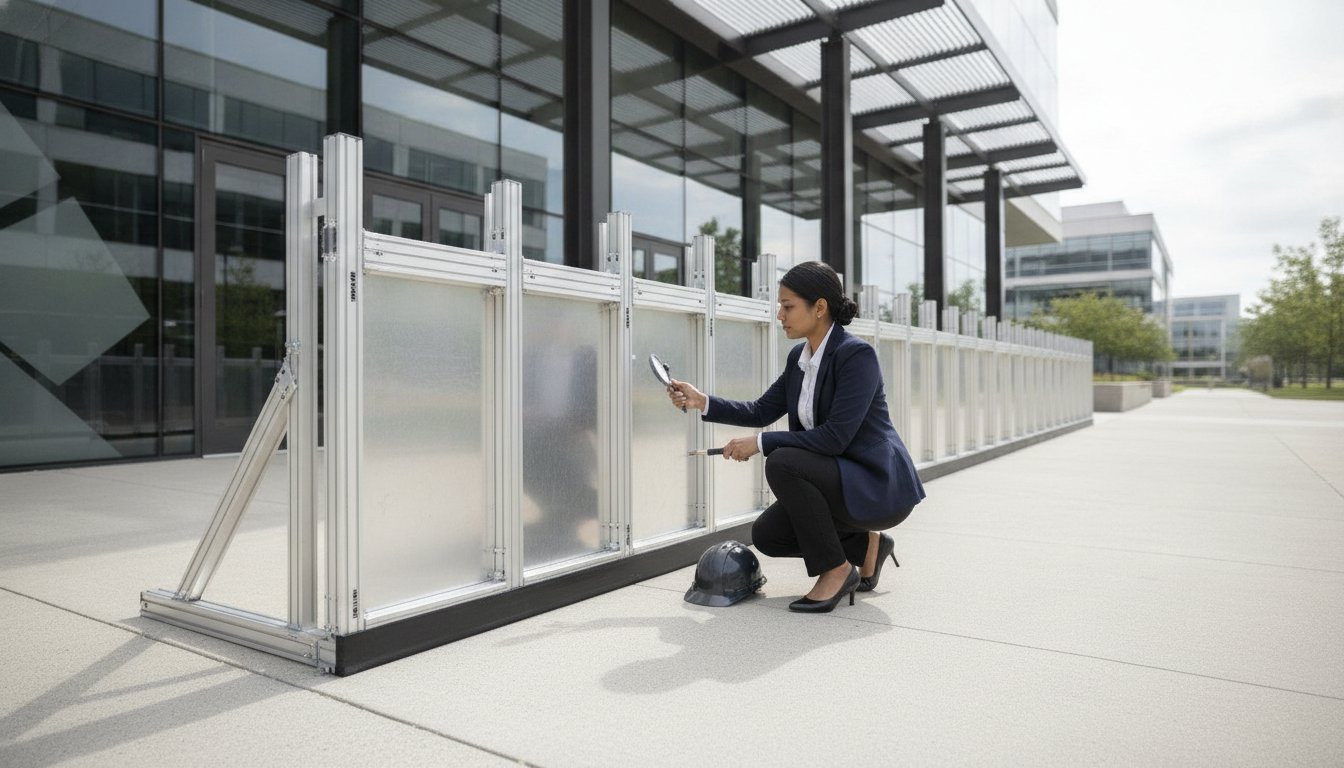
Did you know that just one inch of floodwater can cause approximately $25,000 in damage? It's a staggering figure that highlights the high stakes of environmental threats. You've invested in a defense system because you refuse to leave your property's safety to chance. However, the true value of that investment depends entirely on your flood barrier system lifespan. Uncertainty about material durability or maintenance requirements shouldn't keep you up at night when a storm is brewing. You deserve to know that your perimeter will hold when it matters most.
We understand the weight of this responsibility. Properties equipped with reliable barriers can see a reduction in damage costs by up to 60 percent. You need a shield that remains impenetrable for decades, not just a few seasons. This guide provides a definitive 20 plus year protection roadmap designed to turn confusion into confidence. You'll discover how strategic maintenance and engineering excellence safeguard your assets against the most severe surges. We're providing a simple annual checklist to ensure your system is always ready for duty. It's time to replace worry with the profound relief of total security.
Key Takeaways
- Secure a multi-decade defense by understanding how engineering excellence extends your flood barrier system lifespan to 30 years.
- Master a professional readiness protocol to ensure seals and gaskets remain flexible and watertight under extreme pressure.
- Identify the silent enemies of fortification—UV degradation and chemical runoff—before they compromise your structural integrity.
- Recognize early warning signs of material fatigue like brittleness and gasket compression to prevent failure during a storm.
- Discover why advanced redirection engineering offers superior long-term protection compared to simple water retention methods.
Understanding Flood Barrier System Lifespan: Engineering for Decades
Flood protection isn't a temporary fix. It's a commitment to your property's survival. A professional flood barrier system lifespan typically spans 20 to 30 years. This isn't an accidental number. It's the result of rigorous engineering designed to withstand immense environmental stress. Unlike sandbags, which are disposable filters that fail after a single event, an engineered flood barrier acts as a permanent shield. We focus on the Fortress Standard. This means the system maintains integrity under extreme hydrostatic pressure. It's about redirecting thousands of pounds of moving water without buckling. There's a vital difference between a structural lifespan and a functional one. A barrier might remain standing for decades. However, if its seals fail or its material becomes porous, its functional life has ended. You need both to survive.
Permanent vs. Deployable: Choosing Your Defense
Permanent solutions like the Fortress Flood Diversion System often provide the longest service life. They're integrated directly into the property's foundation. The Fortress Inflatable Flood Barrier offers incredible flexibility, but its longevity depends on how you treat it between storms. Proper storage is non negotiable. If left in damp corners, even the best reinforced polymers can degrade. For those using the Fortress Transparent Liquid Paintable Flood Barrier, longevity is tied to environmental exposure. These liquid-applied solutions are engineered for resilience. They face a constant battle with urban runoff and salt air.
Engineering Excellence: Built for the Surge
True durability comes from redirection, not just resistance. When a system redirects water rather than simply trying to hold it back, it reduces the physical wear on the structure. We utilize high grade stainless steel and reinforced polymers to ensure the flood barrier system lifespan meets our exacting standards. These materials don't just resist corrosion. They maintain their flexibility under pressure. System lifespan is the period a barrier maintains its rated flood-height protection. This definition is our benchmark for every installation. We build for the long haul because your safety depends on it.
Durability Factors—How Materials and Environment Dictate Longevity
Engineering a defense that lasts 30 years requires more than just brute strength. It demands a deep understanding of the invisible forces that erode structural integrity over time. While many focus only on the height of a surge, the true flood barrier system lifespan is determined by its ability to resist the slow, steady assault of nature. Sunlight, salt, and urban chemicals are the silent killers of inferior defenses. They work around the clock to weaken what looks strong on the surface.
UV degradation is the most persistent threat to polymer based systems. Constant exposure to solar radiation can turn flexible materials brittle. This leads to micro cracks that compromise the entire perimeter. If your barrier loses its flexibility, it can't form the watertight seal required during a crisis. Chemical resilience is equally critical. Floodwater isn't just water. It's often a toxic cocktail of salt water, petroleum runoff, and industrial pollutants. These substances eat through standard coatings and leave your property vulnerable. Mechanical wear from repeated deployment also takes a toll. Every time a system is inflated or moved, gaskets and seals face friction that can degrade their structural memory.
Material Science of the Fortress Systems
The Fortress Transparent Liquid Paintable Flood Barrier is engineered specifically to combat UV damage. It maintains its protective bond even after years of direct sun exposure. For our deployable defenses, we utilize military grade reinforced PVC in the Fortress Inflatable Flood Barrier. This material is chosen for its extreme puncture resistance and its ability to withstand repeated use without losing its shape. In our permanent hardware, the Fortress Flood Diversion System uses corrosion resistant alloys. These metals are designed to survive the harsh salt air of coastal environments where standard steel would fail within months.
Environmental Load and Wear
Location dictates your maintenance schedule. A coastal property faces a much higher environmental load than one inland. Salt air accelerates oxidation on every metal component, from bolts to brackets. Temperature extremes also play a role. Freeze thaw cycles cause seals to contract and expand, eventually leading to gasket fatigue. Your barrier must also survive debris impact. Floating logs or urban waste can strike with the force of a vehicle. Our systems are built to absorb these shocks, ensuring that a single impact doesn't end the flood barrier system lifespan prematurely. If you're concerned about how your local climate is affecting your hardware, it's wise to consult with a specialist for a professional assessment. Resilience is a choice that starts with the right materials.
The Annual Flood Barrier Maintenance Checklist—Your Readiness Protocol
Preparation is the only antidote to disaster. While we have established that a professional flood barrier system lifespan can reach 30 years, that longevity is not guaranteed by purchase alone. It is earned through vigilance. Some industry claims suggest that passive systems are maintenance free. This is a dangerous myth. Even the most advanced engineering requires human oversight to ensure total reliability. Neglect is a choice that leads to failure when the water rises. Your readiness protocol is the bridge between a theoretical defense and a proven shield.
Visual inspection serves as your first line of defense. You must look for the subtle indicators of fatigue that occur between storm seasons. This includes checking for debris in recessed tracks or looking for signs of pest interference. Precision matters. A single pebble in a diversion track can prevent a seal from seating correctly. Beyond the visual, you must verify seal and gasket integrity. These components provide the watertight lock. If they lose their flexibility or develop a permanent compression set, your barrier's functional life has ended. It's better to discover a hardened gasket during a sunny afternoon than during a midnight surge.
Deployment testing is non negotiable. You wouldn't enter a high stakes environment without training. Your flood defense shouldn't either. We recommend a full "dry run" at least once a year. This process identifies mechanical friction or missing hardware before it's too late. If the system feels sluggish or difficult to align, it's time for a structural audit. Professional certification from experts ensures your flood barrier system lifespan remains on track. We provide the seasonings of wisdom that only come from years of seeing how water tests every weakness.
Step-by-Step Inspection Guide
- Examine the Fortress Transparent Liquid Paintable Flood Barrier for micro cracks that might indicate structural shifting.
- Check all valves and seams on the Fortress Inflatable Flood Barrier for pressure drop indicators using a simple soap solution.
- Clear all silt and organic debris from the Fortress Flood Diversion System tracks to ensure unobstructed water flow.
- Verify that all mounting hardware is free of oxidation and that gaskets show no signs of brittleness.
Post-Flood Recovery Procedures
Post event care determines if your system survives for the next decade. Corrosive silt and urban contaminants must be washed away immediately using low pressure water and mild detergents. For the Fortress Inflatable Flood Barrier, drying protocols are essential. You must ensure the material is completely dry before storage to prevent delamination or mold growth. If the Fortress Transparent Liquid Paintable Flood Barrier has suffered abrasive impacts from floating debris, re-applying the coating to affected areas restores its impenetrable seal. Proper recovery is the final step in maintaining your property's fortification.

Signs of System Fatigue—Knowing When Redirection Fails
Safety is an illusion if your hardware is compromised. A barrier that looks intact but fails during a surge is a liability. This is known as the "False Security" trap. You believe you're protected, so you don't take further precautions. This is where the flood barrier system lifespan meets its most dangerous phase. When structural integrity fades, the relief of security vanishes. You must recognize the silent indicators of fatigue before the next hurricane season begins. Waiting for a leak to reveal itself during a storm is a recipe for catastrophic loss.
Brittleness and discoloration are your primary visual cues. If your polymer based defenses look faded or feel like dry bone, UV damage has won. The material has lost the essential plasticizers that allow it to flex under pressure. Gaskets face a similar struggle known as "compression set." This happens when seals lose their structural memory and stay flat instead of rebounding. Even a minor change in material performance has massive consequences. Industry data shows that a 5% loss in seal flexibility can lead to a 50% increase in seepage rates. This is why "good enough" is never sufficient in flood defense.
Hardware corrosion is the final red flag. Rust isn't just an aesthetic issue. It is a sign that the anchoring system is losing its grip on your foundation. If the bolts holding the Fortress Flood Diversion System are orange and flaky, they won't hold the weight of a thousand pound surge. The structural bond has been broken. You need an impenetrable anchor to ensure the redirection of water remains effective. If you suspect your current defenses are nearing the end of their flood barrier system lifespan, it's time to contact us for a professional site audit.
Critical Failure Points to Watch
Inflatable chambers require a high stakes "soapy water" test. Apply a thin layer of soap to the surface. If bubbles form, you have pinhole leaks that will cause the Fortress Inflatable Flood Barrier to collapse under hydrostatic stress. For liquid applied solutions, watch for delamination. If the Fortress Transparent Liquid Paintable Flood Barrier begins to peel from the substrate, the watertight bond is gone. Also, check for loose anchoring bolts in permanent diversion tracks. Movement in the hardware suggests the foundation has shifted or the metal has fatigued beyond repair.
The Replacement Cycle
Knowing when to repair versus when to replace is a critical financial decision. Minor gasket wear can often be fixed with a simple component swap. However, if the core material of the barrier is brittle, localized repairs won't save it. The entire unit must be decommissioned. Upgrading to newer Fortress technology often provides enhanced redirection capabilities that older systems lack. Modern materials offer better resistance to the chemical cocktails found in urban floodwaters. We help you move from a state of vulnerability to a state of total fortification.
Fortress Engineering—Fortifying Your Property for the Long Haul
Protection is not a product you buy. It is a system you deploy. While the quality of materials is vital, the flood barrier system lifespan is truly established during the first hour of installation. A barrier is only as resilient as its connection to the earth. Without a foundation of engineering excellence, even the strongest polymer is just a temporary patch. We don't believe in patches. We believe in total fortification that stands the test of time and tide. Your property deserves a shield that remains impenetrable for thirty years or more. This level of longevity is only possible through the Fortress Advantage.
Our philosophy centers on engineered redirection rather than simple retention. Traditional barriers try to stop the water's momentum entirely. This creates massive structural stress that shortens the life of the hardware. Fortress systems are designed to guide the energy of the surge away from your vulnerable points. By reducing the physical load on the gaskets and anchors, we preserve the integrity of the system for decades. This strategic approach turns a high stakes battle into a managed process. It's the difference between a wall that eventually breaks and a diversion system that consistently performs.
Why Professional Installation Matters
The foundation of your defense begins with professional anchoring. We utilize specialized techniques to prevent structural shifting, ensuring the Fortress Flood Diversion System stays perfectly aligned under extreme hydrostatic pressure. For the Fortress Transparent Liquid Paintable Flood Barrier, we focus on perfect substrate adhesion. If the bond between the coating and your building isn't flawless, the functional flood barrier system lifespan is compromised before the first drop of rain falls. Professional calibration ensures that every component works in unison to provide the maximum return on your investment. We eliminate the human error that leads to catastrophic failure.
Your Strategic Partner in Protection
Maintenance is not a one size fits all checklist. A coastal facility facing salt spray requires a different care protocol than an inland warehouse. We provide customized maintenance plans tailored to your specific environmental load. This proactive care is the key to maintaining a "Fortress-grade" defense year after year. We act as your vigilant guardian, offering ongoing engineering consultations to ensure your perimeter never weakens. You aren't just a client. You're a partner in resilience. Don't leave your assets to chance when the next hurricane season approaches. The relief of total security is just one step away. Schedule your professional system audit with FloodWater Pros today to secure your property for the long haul.
Mastering the Surge: Your Path to Permanent Protection
Your property's defense is a multi-decade commitment. We've explored how a proactive maintenance protocol and high-grade material science extend your flood barrier system lifespan well beyond thirty years. You now understand that structural integrity depends on more than just bulk. It requires a strategic focus on redirection and professional calibration. By identifying signs of fatigue early and adhering to a rigorous readiness protocol, you transform a potential vulnerability into an impenetrable shield. You don't have to face the next storm with uncertainty.
True security is built on the foundation of our Proprietary Fortress Redirection Technology. We combine professional engineering and installation with multi-decade durability standards to ensure your perimeter never falters. It's time to choose a partner who has mastered the science of protection and understands the gravity of your investment. Secure your legacy and gain the profound relief that only a total defense can provide. Fortify your property with the Fortress Flood Diversion System today. Your future safety is worth the expert precision we deliver.
Frequently Asked Questions
How often should I inspect my flood barrier system?
Conduct a full inspection at least once every twelve months. It's best to schedule this check well before the peak of your local storm season. You must look for physical obstructions in diversion tracks and check the pliability of all gaskets. Early detection of minor wear prevents total failure during a surge. Vigilance is the price of long term property security.
Can I extend the lifespan of my Fortress Inflatable Flood Barrier?
Maximizing the service life of inflatable units requires meticulous post event care. You must wash away corrosive silt and urban contaminants immediately after use. Ensure the material is completely dry before folding it for storage. Moisture trapped in the layers can lead to mold or delamination. Proper storage in a climate controlled environment protects the reinforced PVC from temperature extremes.
Does the Fortress Transparent Liquid Paintable Flood Barrier need re-application?
Re-application is generally only necessary after significant abrasive impacts from floating debris. The Fortress Transparent Liquid Paintable Flood Barrier is engineered for high UV resistance and long term adhesion. However, you should inspect the coating annually for signs of peeling from the substrate. If the bond is compromised, a targeted re-application restores the impenetrable seal and reinforces your perimeter.
How long do the seals on a flood diversion system typically last?
High quality seals and gaskets typically maintain their functional integrity for 10 to 15 years. Their performance depends on their structural memory and ability to compress against the mounting surface. If a seal feels brittle or remains flat after the barrier is removed, it has reached the end of its life. Replacing these components is a low cost way to ensure your system remains watertight.
What environmental factors shorten the lifespan of flood barriers the most?
UV radiation and salt air are the most aggressive environmental threats to any defense perimeter. Constant sun exposure can degrade the molecular bond of polymers. Coastal salt accelerates the oxidation of metal anchoring hardware. These factors can significantly impact the flood barrier system lifespan if left unmanaged. Regular cleaning and protective coatings are your best defense against these invisible forces.
Is professional maintenance required for my warranty to remain valid?
Professional maintenance is the best way to document that your system has been cared for according to engineering standards. While specific warranty terms vary, regular structural audits provide proof of readiness. These inspections ensure that the original installation integrity remains intact. We recommend a professional review every few years to identify subtle fatigue that a visual check might miss.
Can a flood barrier be repaired after it has been damaged by debris?
Minor surface damage can often be repaired using specialized patch kits or coating touch ups. However, if a strike from heavy debris has bent a diversion track or torn a primary chamber, the component must be replaced. Repairs should never compromise the structural rating of the system. It's vital to have a professional assess the impact to ensure the barrier can still withstand rated hydrostatic pressure.
What happens if my flood barrier fails during its expected lifespan?
System failure during its expected flood barrier system lifespan is often the result of undetected material fatigue or improper deployment. If a barrier fails, you must conduct a full forensic audit to identify the root cause. This prevents future vulnerabilities and helps determine if a full system upgrade is required. Regular testing and professional calibration are designed to eliminate these risks before a crisis occurs.


