
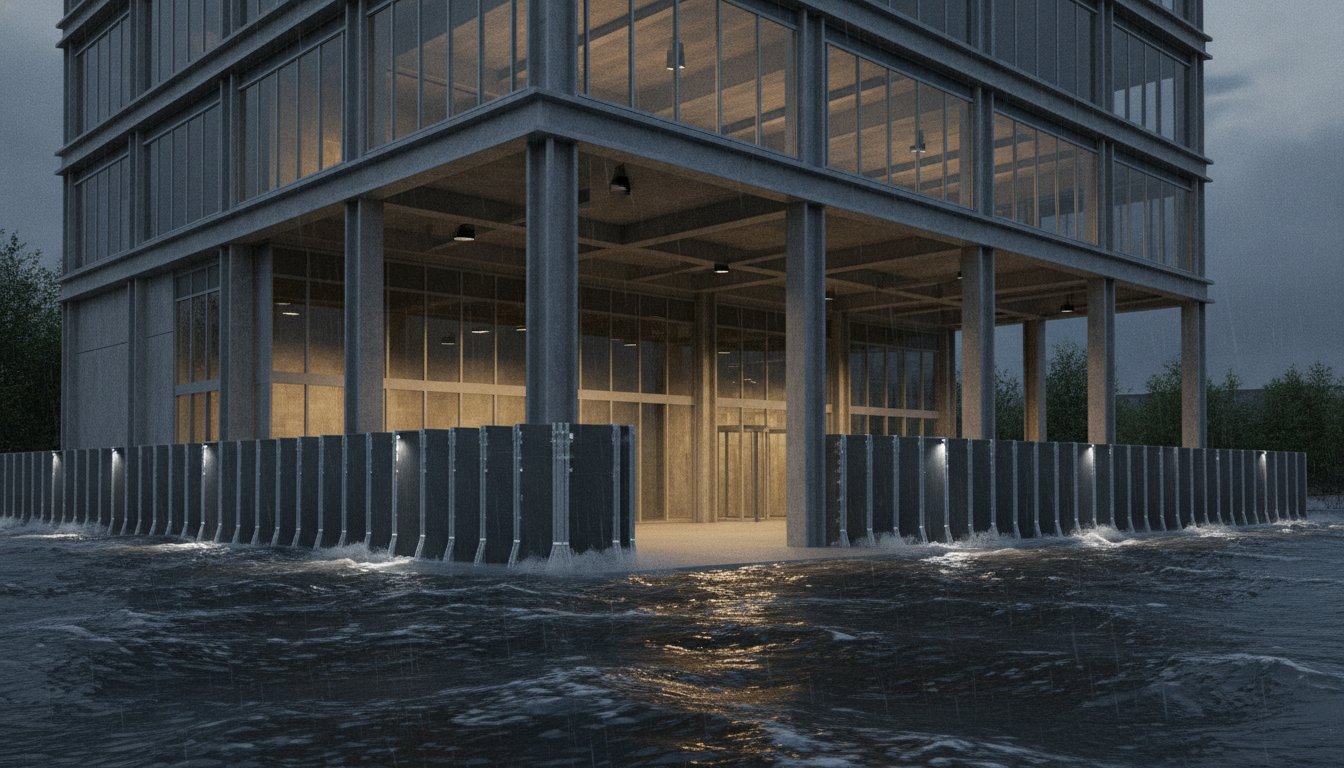
Did you know that just one inch of floodwater can cause approximately $25,000 in damage to your property? It is a staggering figure from FEMA that highlights why professional exterior flood protection for buildings is no longer optional. You shouldn't have to spend your nights watching the weather radar with a knot in your stomach. We understand the exhaustion of stacking heavy, leaking sandbags only to watch the water seep through anyway. The fear of structural failure is a heavy burden, especially as new regulations like the New Jersey REAL rules and Florida’s updated building codes signal a more dangerous environmental future.
You can stop fighting the water and start out-engineering it. This guide shows you how to implement professional-grade defenses that redirect the threat before it ever touches your walls. You'll discover how to secure your perimeter with permanent and rapid-deployment strategies that safeguard your structural integrity. We will explore high-performance diversion systems and inflatable barriers designed to provide total peace of mind. It’s time to move from a state of concern to a state of absolute readiness.
Key Takeaways
- Master the fundamentals of exterior flood protection for buildings by shifting from reactive cleanup to proactive perimeter fortification.
- Learn the science of redirection. It's about altering the path of least resistance to keep your foundation dry and secure.
- Move beyond the inefficiency of sandbags. Identify the right high-performance barrier technologies for rapid response and long-term security.
- Build a resilient multi-layered defense. Use site engineering and hydraulic modeling to eliminate single points of failure in your strategy.
- Protect your assets. Transform flood safety into a permanent investment in your building's structural integrity and long-term value.
What is Exterior Flood Protection? Defining the Structural Shield
Most property owners wait until the water begins to rise. They react; they scramble; they hope for the best. This is a fatal mistake in asset management. True exterior flood protection for buildings is a proactive perimeter strategy. It is not a last-minute scramble with plastic sheets and duct tape. It is a calculated, engineered shield designed to prevent water ingress before it ever touches your threshold. This strategy focuses on the building's entire envelope. We are talking about the foundations, the exterior walls, and every vulnerable entry point. The primary goal is simple yet vital: you must maintain dry conditions by neutralizing hydrostatic pressure.
Why do buildings fail during a flood? It comes down to the brutal physics of water weight and soil saturation. When the ground around your building becomes saturated, the water level in the soil rises. This creates immense pressure against your foundation. Water isn't just a liquid; it is a heavy, destructive force. If your defense isn't positioned at the perimeter, you're essentially asking your basement walls to act as a dam. Most structures weren't built for that kind of stress. Without a dedicated exterior shield, the weight of the water can cause walls to crack or foundations to shift. You aren't just fighting a mess; you're fighting for the structural integrity of the property.
The Vulnerability of Modern Foundations
Modern foundations face a silent enemy in hydrostatic pressure. Floodwater can exert thousands of pounds of force on your exterior walls. This pressure finds every hairline crack and every weak joint. There's also the danger of wicking. Porous materials like brick and concrete act like a sponge. They absorb moisture and pull it upward into the structure. This leads to hidden mold and long-term rot. Don't rely on traditional landscaping to save you. While a sloped yard helps with light rain, it fails completely during extreme weather. Saturated soil loses its grip, and mulch just washes away. You need a physical barrier that doesn't quit when the ground turns to mud.
Retention vs. Redirection: The Strategic Shift
There are two ways to think about flood defense. Retention is the old way. It is the sandbag mentality. You try to hold the water back and pray the wall doesn't break. It's labor-intensive and has a high failure rate. Redirection is the engineering mentality. It involves moving the water away from the structure entirely. You change the path of least resistance. By using advanced Flood barrier technologies, you create a bypass for the surge. This is the only viable long-term solution for high-stakes properties. It moves the battleground away from your walls. It ensures that even during a record-breaking surge, your building remains an island of dry, secure ground.
The Science of Redirection: Engineering a Structural Defense
Water is a relentless force. You cannot simply block it; you must outsmart it. This is the core principle of redirection engineering. While traditional methods focus on retention, modern exterior flood protection for buildings prioritizes the path of least resistance. We don't want the water to fight your walls. We want it to flow around them. By creating a bypass, we ensure the building is no longer the obstacle in the water's way.
Engineered diversion systems create a structural bypass that protects the building's entire footprint. This requires managing two critical factors: velocity and volume. Fast-moving water carries kinetic energy that can shatter windows and buckle doors. If you don't manage the flow, you risk the scouring effect. This happens when currents wash away the soil from beneath your foundation. Without that supporting soil, the building's structural stability collapses. Redirection prevents this erosion by keeping the soil dry and the foundation firm. It turns a potential catastrophe into a manageable flow.
Managing Hydrostatic Pressure
Standing water is deceptively dangerous. It creates hydrostatic pressure, which is the sheer weight of the water pushing against your basement or crawlspace walls. Every foot of depth adds hundreds of pounds of force. If your barrier is porous, that pressure will force moisture through the very pores of the concrete. Professional systems utilize non-porous materials to create an impenetrable seal. These systems are designed to distribute the weight across the entire perimeter. They ensure that no single point of your foundation bears the brunt of the surge. This is how you prevent structural seepage and keep the interior bone-dry.
The Fortress Flood Diversion System
The Fortress Flood Diversion System represents the pinnacle of redirection technology. It isn't a simple barricade; it's an engineered shield. This system creates a literal fortress around your most valuable assets. Whether it's a residential home or a massive commercial complex, the engineering remains the same. It shifts the burden of the flood away from the structure. You can choose between permanent infrastructure for constant readiness or rapid-deployment options for seasonal threats. Both options offer a level of security that traditional methods simply cannot match. Consulting with experts on a customized diversion strategy is the first step toward true structural resilience.
Redirection isn't just about moving water. It's about preserving the longevity of your asset. When you engineer a bypass, you aren't just staying dry. You are ensuring the ground beneath you remains solid for decades to come. This is the difference between a temporary fix and a permanent defense. It's the difference between hope and a plan.
Comparing Barrier Technologies: Redefining Exterior Standards
Sandbags are a liability. They are labor-intensive relics that offer a false sense of security while often failing at the moment of peak pressure. In the modern era, exterior flood protection for buildings requires a shift toward engineered, high-performance technologies. We don't just need to stop water; we need to do it with speed, reliability, and structural intelligence. The standard has changed from "making do" to "total fortification."
Traditional methods are reactive and messy. They require massive teams to deploy and leave behind a contaminated wake of rot and debris. Modern barriers are different. They are designed for rapid response and long-term resilience. Whether you are facing a sudden flash flood or a predicted seasonal surge, your defense must be as sophisticated as the threat. This is where we see the divide between temporary patches and professional-grade security systems.
The Fortress Inflatable Flood Barrier: Speed and Strength
When the storm is minutes away, you don't have hours to stack thousands of pounds of sand. You need a system that deploys in a fraction of the time. The Fortress Inflatable Flood Barrier is engineered for these high-stakes scenarios. It utilizes a rapid-deployment mechanism that transforms a compact storage unit into a formidable wall of defense. These aren't just balloons; they are structural shields. The air-filled cores are designed to withstand heavy debris impact, acting as a shock absorber against floating logs or urban waste. Because they are reusable and easy to store, they provide a significantly higher return on investment than any single-use traditional method.
Fortress Transparent Liquid Paintable Flood Barrier: Invisible Security
Many property owners hesitate to install flood defenses because they fear ruining their building's aesthetic. Historic brickwork and modern glass storefronts shouldn't be hidden behind ugly metal gates. The Fortress Transparent Liquid Paintable Flood Barrier solves this problem by offering an "invisible" defense. It allows you to seal the building's envelope without changing its appearance. This is the ultimate tool for aesthetic preservation. It applies as a clear, hydrophobic coating that fills the microscopic pores of brick, stone, and concrete. It stops the dangerous wicking effect in its tracks, ensuring that water cannot seep into the structure. You get the impenetrability of a military-grade seal with the visual appeal of your original architecture.
For buildings in high-risk zones, the most effective strategy is often a total-solution approach. This involves integrating these specific barrier technologies with the diversion systems we discussed previously. By layering your defenses, you create a fail-safe perimeter. You move from a state of vulnerability to a state of absolute readiness. This is how you redefine what it means to be protected.

How to Implement a Multi-Layered Exterior Defense Strategy
A single line of defense is a gamble. If that one barrier fails, your building is compromised. Professional exterior flood protection for buildings requires depth. Think of it as a series of concentric circles. Each layer buys you time. Each layer reduces the hydraulic load on the next. This isn't about cleaning gutters or buying a few sandbags. It's about total structural hardening. We start with engineering data. We end with an impenetrable shield.
Execution involves more than just buying products. It requires a strategic blend of permanent structural hardening and deployable assets. You need a shield that is ready before the storm hits. Waiting for the first raindrop is too late. A professional assessment is the foundation of effective exterior flood protection for buildings. It turns a reactive scramble into a calculated defense.
Step 1: Professional Risk and Perimeter Assessment
You can't defend what you don't understand. A professional assessment identifies every hidden vulnerability. We look for door thresholds, air vents, and utility penetrations. These are the soft entry points water loves to exploit. We also map the natural flow of water across your property during peak saturation. Knowing your Base Flood Elevation is non-negotiable. It tells us exactly how high the water can go before your structure is at risk. We don't guess. We measure.
Step 2: Selecting and Installing Your Barrier Layers
Now we deploy the hardware. First, we coat the building envelope with the Fortress Transparent Liquid Paintable Flood Barrier. This stops seepage at the molecular level. Next, we establish a perimeter diversion line. The Fortress Flood Diversion System acts as your primary wall. It pushes the main surge away from your foundation. Finally, we stage the Fortress Inflatable Flood Barrier for high-traffic zones. Keep them ready for garages and loading docks. This layered approach ensures that even if one barrier is challenged, the others stand firm.
Step 3: Professional Installation and Testing
Precision matters. A gap of just a few millimeters is enough for thousands of gallons to enter. This is why professional installation is critical. We ensure every seal is seamless and every joint is secure. Once installed, we test the system. We run simulated flood drills to verify redirection paths. You need to see the water move away from your foundation before the actual storm arrives. For a complete checklist, see our Professional Flood Barrier System Installation Guide.
Don't wait for the next surge to find your weak points. Secure your property by speaking with an expert at FloodWater Pros today.
Beyond Temporary Fixes: The Fortress Approach to Permanent Security
Flood protection isn't just an emergency expense. It's a strategic investment in the longevity of your asset. When you choose professional exterior flood protection for buildings, you aren't just buying a product. You are securing the future of your structure. Most property owners view flood defense as a reactive cost. They wait for the disaster to strike before they act. This mindset leads to catastrophic failure and financial ruin. A permanent, engineered solution turns that vulnerability into a position of strength. It's the difference between a temporary patch and a structural shield.
Moving from reactivity to readiness is a total transformation. It means no more frantic phone calls or midnight sandbagging sessions. You replace anxiety with the profound relief of security. Engineered solutions provide a level of impenetrability that temporary fixes simply can't match. They safeguard the structural integrity of your foundation. They ensure that your building remains standing and secure when the waters finally recede. This is about more than just staying dry. It's about the deep, quiet peace of mind that comes from knowing you've built a fortress against the unpredictable.
The Expert Guardian Advantage
Partnering with an engineering-focused firm is the only way to ensure total protection. DIY attempts often fail because they ignore the complex hydraulics of a flood surge. A vigilant guardian understands that climate patterns are shifting and regulations are tightening. You need ongoing consultation to ensure your defenses stay ahead of the threat. This partnership protects what matters most. It's about your family, your business assets, and your mental well-being. You deserve a strategic partner who has seen it all and knows how to win the fight against rising water. Professional expertise is the bridge between a vulnerable property and a resilient one.
Take Action Before the Next Storm
The cost of inaction is measured in more than just dollars. It's measured in lost time, destroyed memories, and structural decay. Waiting for the next weather forecast is a strategic mistake you can't afford to make. The journey from vulnerable to fortified begins with a single, decisive step. You have the tools and the engineering at your fingertips. Don't let the next surge catch you off guard. It's time to transition your property into a stronghold. You can fortify your property with the Fortress Flood Diversion System and take absolute control of your perimeter today. Readiness is the only true defense.
Fortify Your Foundation: The Path to Absolute Resilience
The threat of rising water is relentless. It finds every crack and exploits every weakness. But your property doesn't have to be a victim. You've learned that true safety requires a shift from reactive sandbagging to proactive redirection. By implementing a multi-layered strategy, you neutralize destructive hydrostatic pressure and preserve your building's structural integrity. Professional exterior flood protection for buildings is the only viable way to ensure your foundation remains secure when the environment turns hostile. It is the bridge between vulnerability and impenetrable strength.
We provide the engineering required to build your shield. Our proprietary Fortress Diversion Technology is specifically engineered for high-velocity flood zones. We don't just provide equipment; our national professional installation team ensures every barrier is seamless and every seal is perfect. You don't have to face the next storm with a sense of dread. You can choose the profound relief of total security instead. Take the decisive step toward fortification before the next forecast arrives. Secure Your Building with an Engineered Fortress Defense. Your property is your legacy. Let's make it impenetrable.
Expert Answers on Structural Fortification
What is the best exterior flood protection for commercial buildings?
The most effective strategy is a multi-layered diversion system. Commercial assets require the Fortress Flood Diversion System to move massive volumes of water away from the foundation. This approach is the gold standard for exterior flood protection for buildings. It neutralizes hydrostatic pressure before it can compromise the structure's integrity. It is about engineering a path of least resistance for the water to follow.
Can I install flood barriers myself, or do I need a professional?
Professional installation is vital for ensuring an impenetrable seal. While some components are deployable, the initial engineering and site assessment require an expert eye. Professionals identify hidden vulnerabilities like utility penetrations and air vents. A gap of just a few millimeters can lead to total system failure during a surge. You shouldn't gamble with your building's structural safety.
How do I stop floodwater from coming through my exterior walls?
You must seal the building's envelope with a hydrophobic coating. The Fortress Transparent Liquid Paintable Flood Barrier is designed specifically for this purpose. It fills the microscopic pores in brick, stone, and concrete. This prevents the wicking effect where porous materials absorb moisture and pull it into the interior. It stops the water before it can even enter the wall's surface.
Are inflatable flood barriers strong enough to withstand debris?
Yes, professional inflatable systems are engineered for high-impact resistance. The Fortress Inflatable Flood Barrier uses a pressurized core that acts as a structural shock absorber. It can withstand the force of floating urban debris and heavy logs. These barriers are a military-grade alternative to the high failure rate of traditional sandbags. They provide strength without the massive labor requirements.
What is the difference between flood diversion and flood retention?
Retention attempts to hold water back; diversion strategically moves it away. Retention systems like sandbags often fail under the weight of rising currents. Diversion engineering creates a bypass for the surge. This keeps the water's velocity and volume away from your building's footprint. It is the only viable long-term strategy for exterior flood protection for buildings. You're redirecting the threat rather than fighting it.
How much does a professional exterior flood protection system cost?
Total investment depends on the scale of your property and the complexity of the hydraulic modeling required. Each system is a custom-engineered shield built for specific site risks. View these systems as an investment in asset longevity rather than a simple emergency expense. They prevent the catastrophic damage that just one inch of water can cause. It's about protecting your equity.
Can flood barrier paint actually stop water from entering brickwork?
High-performance liquid barriers create a molecular bond that stops water ingress. These transparent coatings are invisible once dry but provide a permanent hydrophobic shield. They are ideal for preserving the aesthetic of historic buildings or modern glass storefronts. You get total impenetrability without sacrificing the visual appeal of your architecture. It is the invisible line of defense your building needs.
How long do professional flood barrier systems last?
Engineered systems are built for long-term resilience and repeated deployment. The materials used in the Fortress product line are chosen for their durability against UV exposure and chemical rot. Unlike single-use sandbags, professional barriers provide a high return on investment over decades of service. They are a permanent commitment to your building's safety. Your shield will be ready whenever the water begins to rise.


